
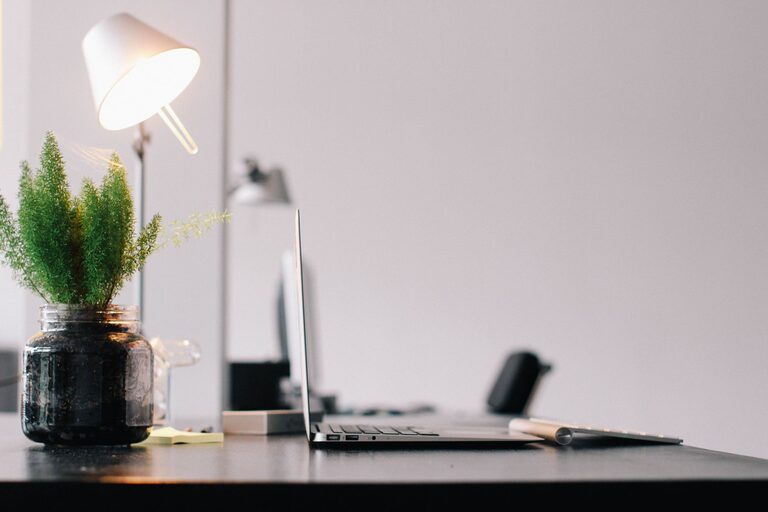
Creating a relaxing home workspace is essential for maintaining productivity without sacrificing your well-being. Whether you work remotely full-time or occasionally work from home, a thoughtfully designed workspace can help reduce stress and keep you focused throughout the day. In this post, we’ll explore simple, practical tips to transform your home office into a peaceful and comfortable place to work.
Why a Relaxing Workspace Matters
Your environment influences how well you concentrate and how comfortable you feel during work hours. Working in a cluttered or noisy space can lead to distractions and burnout. On the other hand, a calm space promotes creativity, reduces anxiety, and makes your workday more enjoyable.
1. Choose the Right Location
Finding the right spot in your home is the first step.
– Natural Light: Try to set up near a window. Natural light boosts mood and productivity.
– Quiet Area: Select a space away from high-traffic areas or noisy appliances.
– Comfortable Temperature: Make sure the room is well-ventilated and not too hot or cold.
If space is limited, consider a quiet corner or a fold-away desk area.
2. Invest in Comfortable Furniture
Your chair and desk play a crucial role in comfort and posture.
– Ergonomic Chair: A chair with good lumbar support helps prevent back pain.
– Adjustable Desk: Consider a desk that suits your height or a sit-stand desk for flexibility.
– Adequate Desk Space: Ensure enough room for your laptop, notebooks, and other essentials without clutter.
3. Declutter and Organize
A tidy environment helps clear your mind.
– Minimalist Setup: Keep only what you need daily on your desk.
– Storage Solutions: Use shelves, drawers, or organizers to store supplies.
– Daily Cleanup: Spend a few minutes at the end of each day tidying your workspace.
4. Use Calming Colors
Colors impact mood and energy levels.
– Soft Neutrals: Whites, light grays, and beige tones create a peaceful atmosphere.
– Cool Blues and Greens: These shades are known to reduce stress.
– Accent Colors: Use gentle pops of color like pastel hues to inspire without overwhelming.
Consider painting a wall or adding accessories in these tones.
5. Add Personal Touches
While staying simple, adding personal items can make the space inviting.
– Plants: Indoor plants improve air quality and bring nature’s calming effect indoors.
– Artwork: Choose pieces that make you happy or inspire creativity.
– Photos: Family or travel photos can provide comfort during long workdays.
6. Control Lighting
Proper lighting reduces eye strain and sets the mood.
– Natural Light First: Take advantage of daylight as much as possible.
– Task Lighting: Use desk lamps with adjustable brightness for focused work.
– Avoid Harsh Lights: Steer clear of overly bright or fluorescent lighting that can be tiring.
7. Manage Noise Levels
Noise distractions can disrupt your flow.
– Noise-Cancelling Headphones: Useful if your home is noisy.
– Soft Background Sounds: Consider quiet music or ambient sounds like white noise.
– Soundproofing: Use rugs, curtains, or wall hangings to absorb sound.
8. Keep Technology in Check
Technology supports work but can also cause distractions.
– Cable Management: Use clips or organizers to keep cords tidy.
– Screen Position: Position your computer screen at eye level to avoid neck strain.
– Minimize Notifications: Set your devices to ‘Do Not Disturb’ during focused work periods.
9. Take Breaks Mindfully
Your workspace should encourage healthy habits.
– Stretch Area: Leave some space for stretching or quick exercises.
– Hydration Station: Keep a water bottle nearby.
– Natural Breaks: Step outside occasionally to recharge with fresh air.
10. Maintain and Refresh Your Space
Over time, your needs might change.
– Regularly Reassess: Adjust your setup as you find what works best.
– Seasonal Refresh: Swap out colors or decor to keep the environment fresh.
– Stay Inspired: Follow home office design ideas or trends for new motivation.
—
Creating a relaxing home workspace doesn’t require a complete overhaul. Small changes focused on comfort, organization, and ambiance can make a big difference. By investing time in designing your space, you set yourself up for more productive and stress-free workdays. Start with a few of these tips today and enjoy a calm, welcoming place to get things done.