Creating a workspace at home that feels both cozy and organized isn’t just about aesthetics—it helps boost productivity and improve your overall work experience. Whether you have a dedicated room or a small corner to work in, setting up a comfortable and tidy workspace is key to maintaining focus and feeling motivated throughout your day.
In this post, we’ll explore practical tips for designing a home workspace that encourages comfort and order without sacrificing style. Let’s dive in!
Why a Cozy and Organized Workspace Matters
A well-designed home office can reduce stress, boost creativity, and help separate work life from personal life. When your space feels inviting and clutter-free, it becomes easier to sit down and get started on your tasks. Plus, organizing your materials saves time and minimizes distractions.
Choosing the Right Spot for Your Workspace
Pick an Area with Natural Light
Natural light improves mood and helps reduce eye strain. If possible, position your desk near a window to enjoy daylight throughout the day.
Consider Traffic and Noise
Select a spot that’s away from high-traffic areas in the home. This reduces interruptions and makes it easier to concentrate.
Optimize Available Space
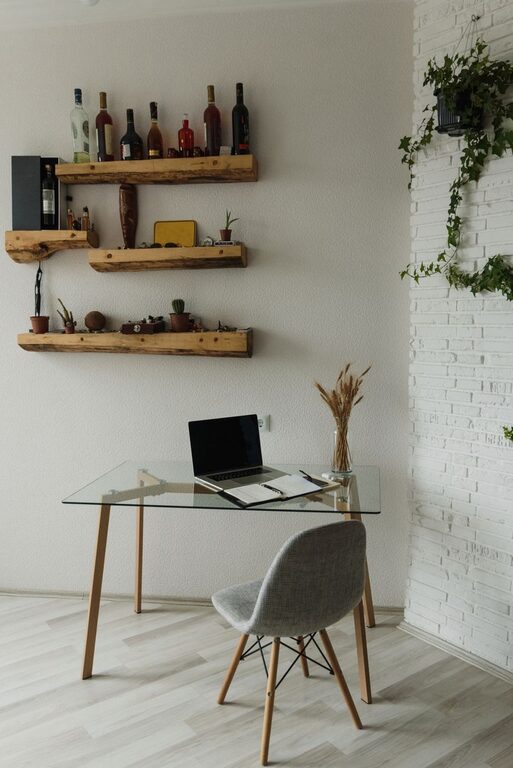
Even if you have a small space, a compact desk or a foldable workstation can make a big difference. Look for creative solutions such as wall-mounted shelves or under-desk storage to maximize space.
Prioritize Comfort
Invest in an Ergonomic Chair
Since you’ll be sitting for hours, an ergonomic chair that supports your back and encourages good posture is essential. Look for adjustable features to customize the fit.
Use Soft Textiles
Adding a plush rug, cozy throw, or cushions can make your workspace more inviting. These elements bring warmth and comfort without clutter.
Control the Temperature
Make sure your workspace remains at a comfortable temperature. A small fan, heater, or space-friendly air purifier can enhance the environment.
Organize Your Desk and Supplies
Keep Essentials Within Reach
Arrange frequently used items like pens, notebooks, or chargers nearby. Use desk organizers such as trays, cups, or small baskets to keep things tidy.
Declutter Regularly
Set aside a few minutes at the end of each day to clear your desk. Regular decluttering prevents buildup and keeps your area inviting.
Use Cable Management Tools
Tangled cords can quickly create a mess. Cable clips, sleeves, or hooks help keep wires neat and prevent accidental tripping.
Personalize Your Space
Add Plants
Indoor plants improve air quality and add a burst of nature. Choose easy-to-care-for varieties like succulents or pothos to brighten your desk or shelf.
Incorporate Artwork or Inspiring Quotes
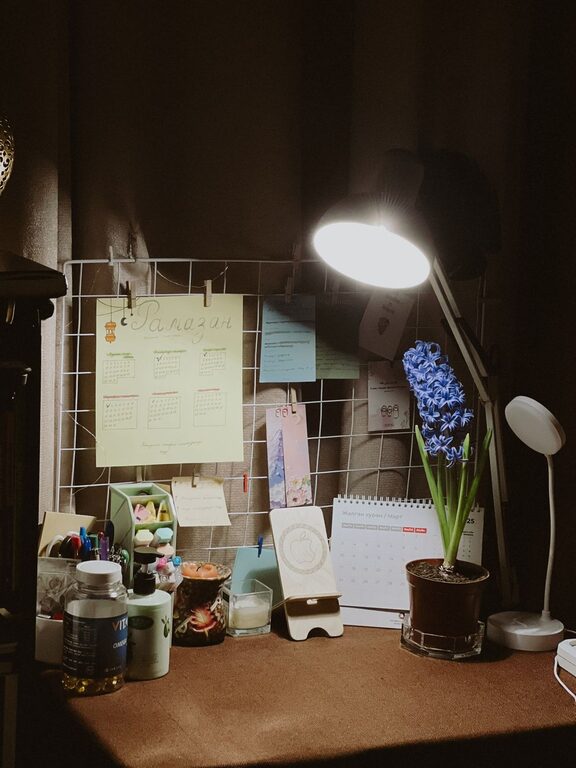
Visual touches like photos, artwork, or motivational quotes make your workspace uniquely yours. Select pieces that inspire you without overwhelming the area.
Use Calming Colors
Soft colors such as light blues, greens, or neutrals promote relaxation and concentration. Consider painting your wall or choosing accessories in these hues.
Lighting Matters
Use Layered Lighting
Combine overhead lighting with a desk lamp to reduce eye strain. Adjustable lamps allow you to focus light exactly where you need it.
Avoid Harsh Glare
Position your screen and light sources to minimize glare. This prevents discomfort and helps you stay focused longer.
Maximize Vertical Space
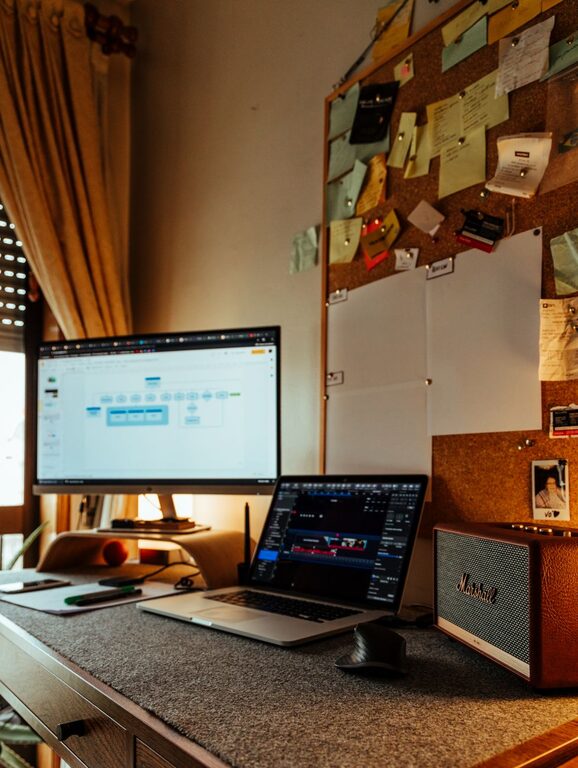
If your desk surface is limited, look upwards! Wall-mounted shelves, pegboards, or bulletin boards provide extra storage and organizational options without taking up floor space.
Establish Work Zones
If your workspace doubles as an area for other activities, use room dividers or rugs to visually separate zones. Keeping work and relaxation spaces distinct helps maintain boundaries and focus.
Create a Routine and Stick to It
No workspace setup is complete without a routine. Designate specific work hours, take breaks, and try to “leave” your workspace when done. This balance supports productivity and wellness.
—
Final Thoughts
A cozy and organized home workspace enhances your day-to-day work experience by reducing stress and boosting efficiency. By choosing the right location, prioritizing comfort, staying organized, and adding personal touches, you create a space that invites you to do your best work. Start with small changes, and over time, your ideal workspace will take shape.
Remember, the best workspace is one that feels good to you!